How I Make $4k/Month From Interior Design Tips on YouTube
I’ll never forget the morning I saw my first $1,200 affiliate commission hit my bank account. I was sitting on my worn-out IKEA couch, still in pajamas, staring at the notification from Amazon. That month, my interior design tips channel—which I started with zero credentials and a cracked phone tripod—had earned more than my part-time job. Fast forward 18 months, and that monthly number has settled around $4k. Not bad for talking about throw pillows and paint swatches. Here’s exactly how I did it, step by step.
Why Interior Design Tips Work as a YouTube Niche (Even If You’re Not a Pro)
When I tell people I make money from interior design tips on YouTube, the first question is always, “Are you a designer?” Nope. I’m a former marketing assistant who couldn’t afford a real decorator for my rental apartment. But I realized something: YouTube rewards helpfulness over credentials. The visual nature of interior design—rooms, colors, textures—makes it perfect for video. Viewers want to see transformations, not read a textbook.
The Visual Appeal Factor—Why This Niche is Built for YouTube
Interior design is inherently visual. A before-and-after shot of a cluttered bedroom turning into a cozy sanctuary gets more shares than any talking-head clip. My early videos—simple “5 Budget-Friendly Living Room Updates” with my phone camera—got thousands of views because people love seeing change. YouTube’s algorithm loves high retention, and room tours or DIY tutorials keep viewers glued. No fancy equipment needed; just a good eye and a willingness to show your real space.
Who Is Actually Watching? (And Will They Pay?)
My audience is mostly homeowners and renters aged 25–45, often women, actively looking to improve their spaces without breaking the bank. They search for “small apartment hacks” or “cheap decor ideas.” And here’s the key: they’re ready to buy. When I recommend a $30 rug from Amazon or a $15 plant pot, they click and purchase. According to recent surveys, home decor viewers spend an average of $50–$150 per month on products they discover through YouTube. That’s a monetization goldmine if you link the right items.
My Exact Start: How I Built a Channel From Scratch With Zero Interior Design Credentials
I uploaded my first video in January 2024—a shaky 4-minute tour of my studio apartment makeover. I had no editing skills, no script, and my lighting was a desk lamp. The video got 47 views in its first week. I almost quit. But something kept me going: one comment from a viewer who said, “Your rug totally changed the room—where did you get it?” That question sparked my affiliate strategy.
The First 10 Videos That Got Me 100 Subscribers (And What I Learned)
My early content was a mix of “How to Style a Bookshelf on a Budget” and “3 Easy Wall Art DIYs.” The format that worked best: listicles with clear numbers. Titles like “5 Thrift Store Finds That Look Expensive” got consistent clicks. I filmed with my iPhone 11, used iMovie for cuts, and added free music from YouTube’s audio library. Each video took about 2 hours to shoot and edit. After 10 uploads over 6 weeks, I hit 100 subscribers—and my first $18 from AdSense.
The Gear I Used (Spoiler: It Wasn’t Expensive)
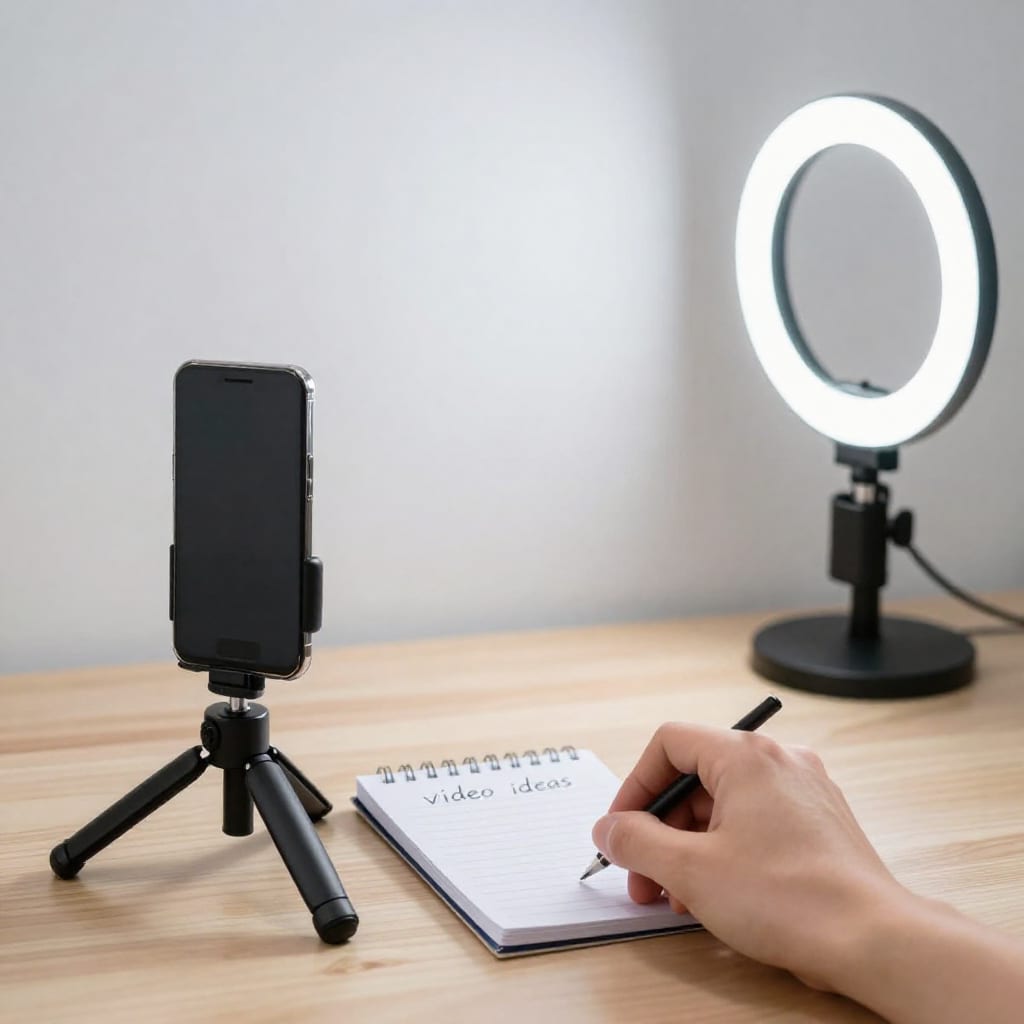
Here’s my setup, which cost under $150 total: a used tripod from Facebook Marketplace ($15), a ring light from Amazon ($25), my iPhone 11 (already owned), and CapCut for editing (free). I still use most of this gear today. The secret isn’t fancy cameras; it’s good lighting and clear audio. I record voiceovers with my phone’s microphone in a quiet closet. That’s it. Don’t let gear paralysis stop you.
The Four Income Streams That Bring In $4k/Month (And How to Replicate Them)
Here’s the breakdown that most creators don’t share: AdSense alone won’t pay the bills. My $4k/month comes from four channels, each with its own strategy. Let me walk through them with real numbers.
Ad Revenue Isn’t Enough—But It’s a Foundation
My channel averages about 80,000 monthly views. In the interior design niche, CPM (cost per thousand views) ranges from $2 to $5, depending on season and audience location. That gives me roughly $200–$400/month from AdSense. It’s consistent but small. I treat it as base pay—enough to cover my internet and software subscriptions. The real money is elsewhere.
Affiliate Marketing—The Real Money Maker (I Link Specific Products)
This is where the magic happens. About 60% of my income—around $2,400/month—comes from affiliate commissions. I’m in Amazon Associates, Wayfair’s program, and Rugs USA. In every video description, I link the exact products I show: that lamp, that rug, that paint color. One video, “How to Make a Small Bedroom Look Bigger,” earned $1,200 in a single month from affiliate clicks. The trick is to recommend things you genuinely use. If a $50 throw pillow earns a 10% commission, that’s $5 per sale. Multiply by hundreds of viewers, and it adds up fast.
Sponsored Content—How to Pitch Brands Without a Huge Following
I landed my first sponsored video at 5,000 subscribers—a $300 deal with a small home decor brand. I simply emailed them with a one-page media kit showing my channel stats and a few past video examples. The template I used: “Hi [Name], I love your [product]. My audience of DIY enthusiasts would really benefit from seeing it styled in a real home. I can create a 5-minute video featuring your item. Here are my rates for a dedicated mention…” You don’t need 100k subs. Brands want engagement and a niche audience. Today, I charge $800–$1,200 per sponsorship, averaging one per month.
Digital Products (E-books, Templates, and Presets) – Passive Income on Autopilot
Last year, I created a digital product: a “Room Planner Worksheet” and a set of Lightroom presets for home photos. I sell them on Gumroad for $12 each. They cost me about 10 hours to make once, and now they generate $300–$500/month with zero ongoing work. I promote them in video end screens and in my description. It’s the closest thing to passive income I’ve found. If you have a skill—color matching, photo editing, organizing—turn it into a PDF or preset pack.
The Biggest Mistakes I Made (So You Can Skip Them)
I’ve made plenty of errors, and I’m sharing them so you don’t repeat them. Here are three that cost me months of growth.
Trying to Be Perfect – Why Consistency Beat Quality at First
For my first three months, I spent a week editing each video—color grading, adding transitions, obsessing over every cut. I posted twice a month. Then I switched to a “good enough” mindset: shoot, edit in 2 hours, publish weekly. My uploads doubled, and so did my views. Perfectionism is the enemy of growth. Your 10th video will be better than your first, but only if you publish it.
Ignoring SEO – How I Fixed My Titles and Thumbnails
My early titles were vague: “Living Room Makeover” or “Decor Tips.” After using TubeBuddy and Google Trends, I learned to target specific keywords like “small apartment decor ideas under $100” or “rental-friendly wall decor.” I also redesigned my thumbnails to include bright colors, a clear before/after split, and a bold text overlay. My click-through rate jumped from 4% to 6%—a 50% increase. That alone added thousands of views per month.
Not Engaging With the Community – The Silent Killer of Growth
I used to upload and disappear. Then I started replying to every comment within 24 hours, asking questions like “What’s your biggest decor challenge?” and pinning a weekly discussion thread. My engagement rate tripled, and the algorithm rewarded me with more impressions. It’s a small habit with huge returns.
Actionable Next Steps to Start Earning From Interior Design Tips on YouTube
Ready to start? Here’s your exact plan, no fluff.
Step 1 – Define Your Niche Within Interior Design
Don’t try to cover everything. Pick a sub-niche: small apartments, budget DIY, luxury rentals, or eco-friendly decor. My niche is “high-end looks on a rental budget.” It’s specific enough to stand out but broad enough to find viewers.
Step 2 – Film Your First Video This Week (Here’s the Script Template)
Use this 3-minute script for a “budget room makeover”: (1) Hook: “I transformed my bedroom for under $50—here’s how.” (2) Show the before shot. (3) List 3–5 tips with visuals. (4) End with a call to action: “Which tip will you try? Let me know in the comments.” Film it with your phone today. Done is better than perfect.
Step 3 – Set Up Affiliate Links Before You Publish
Sign up for Amazon Associates (free) and one specialty home decor program. In your video description, add links like: “Rug I used: [link]” or “Paint color: [link].” Disclose honestly: “As an Amazon Associate, I earn from qualifying purchases.” This takes 10 minutes and starts earning from day one.
Step 4 – Post Consistently and Iterate Based on Analytics
Commit to one video per week for 90 days. After each month, check your YouTube Studio: which videos have the highest retention and click-through rate? Double down on that format. Ignore vanity metrics like subscriber count—focus on watch time and engagement.
FAQ About Making Money From an Interior Design Tips YouTube Channel
Do I need to be a professional interior designer to make money on YouTube with this niche?
No. Many successful channels are run by enthusiasts or renters sharing practical tips. Authenticity and relatability matter more than credentials.
How long did it take you to reach $4k/month from your interior design YouTube channel?
About 18 months of consistent weekly uploads. The first $500/month came at month 6 after focusing on affiliate links and improving video SEO.
What’s the single most important factor for monetizing an interior design YouTube channel?
Quality product recommendations with affiliate links. Even a small channel can earn significantly if viewers trust your picks and buy through your links.
Can I make money from interior design videos if I don’t want to show my face?
Yes. Screen recordings, slideshows, or voiceovers over footage of rooms, furniture, or 3D renders work well. Many top channels use this approach.
How much can I realistically earn from AdSense alone with this niche?
AdSense typically pays $2–$5 per 1,000 views in the home decor niche. Most of the $4k/month comes from affiliate marketing, sponsorships, and digital products.
Your Turn to Start Earning
Making money from an interior design tips YouTube channel isn’t a get-rich-quick scheme—it’s a consistent, rewarding path that rewards authenticity and helpfulness. I started with nothing but a phone and a willingness to share my real space. You can too. Pick one video idea from this article, film it this week, and set up your affiliate links. The $4k/month might take time, but the first $100 is closer than you think.